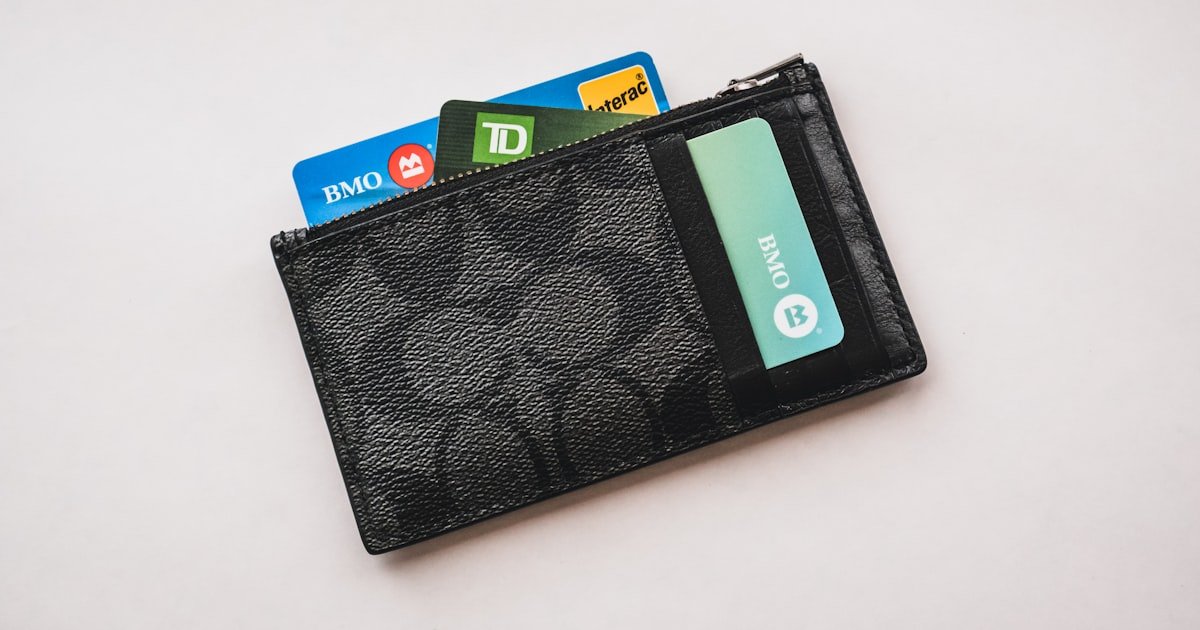

A 0% introductory APR offer means no interest accrues on qualifying charges for a set promotional period, usually 12 to 21 months. Used correctly, it's genuinely free financing. Used carelessly, it can cost more than a normal card.
Purchase APR vs. balance transfer APR
Some cards offer 0% on new purchases, some on balance transfers, and some on both — but often for different lengths of time. Read exactly which one applies before assuming your plan will work.
The two most common ways people lose the deal
- Missing a payment: many cards include deferred-interest-style or penalty clauses where a single late payment ends the promotional rate immediately and can trigger retroactive interest.
- Not paying off the balance before the promo ends: whatever is left starts accruing interest at the card's regular APR, which is often higher than average once the intro period is gone.
Balance transfers usually have a fee
Deferred interest is not the same as true 0% APR
Some store and promotional financing offers use "deferred interest" instead of a true intro APR. With true 0% APR, interest simply starts accruing on whatever balance remains once the promo ends. With deferred interest, if any balance is left on the exact end date, the card can charge interest retroactively on the entire original amount, back to the purchase date — not just on the remaining balance. A $2,000 purchase left with even $50 unpaid at the deadline can trigger interest on the full $2,000. Always check which type of offer you actually have.
How to use one safely
Divide your balance by the number of promotional months and set up an automatic payment for that amount, so the balance hits zero right before interest kicks in. Treat the payment as non-negotiable, the same way you would a loan payment.