
Reconciling your bank statement just means comparing what your bank says happened in your account against your own records, to confirm the two actually match. It takes a few minutes a month and is one of the most reliable ways to catch problems early.
The basic process
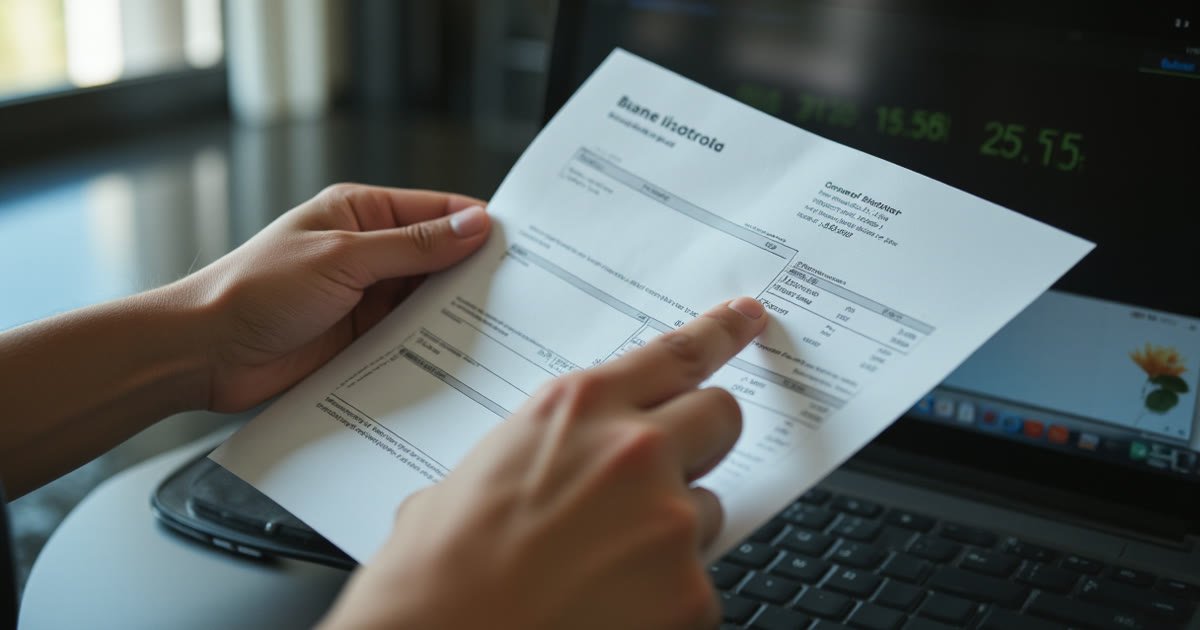
- Pull up your most recent statement and your own transaction history, whether that's an app, a spreadsheet, or a checkbook register.
- Go through each transaction on the statement and check it off against your own records.
- Flag anything on the statement you don't recognize or can't match to your own records.
- Confirm the ending balance on the statement matches what you'd expect based on your own tracking.
What this process commonly catches
| Issue type | Example |
|---|---|
| Forgotten recurring charges | A subscription you signed up for and forgot to cancel |
| Bank errors | A duplicate charge or a fee applied incorrectly |
| Unauthorized transactions | A charge you genuinely don't recognize — a sign of possible fraud |
| Pending transactions clearing differently | A tip added after the fact changing a restaurant charge |
There's usually a limited window to dispute fraud
Federal protections for unauthorized electronic transactions often depend on how quickly you report them. Reconciling monthly, rather than only checking occasionally, meaningfully shortens how long a fraudulent charge can go unnoticed.
Making it a habit
Pick a consistent day each month, right after your statement closes, and treat it the same way you'd treat paying a bill. Most banking apps now let you review transactions in a few minutes, which makes this far faster than it used to be with paper statements.