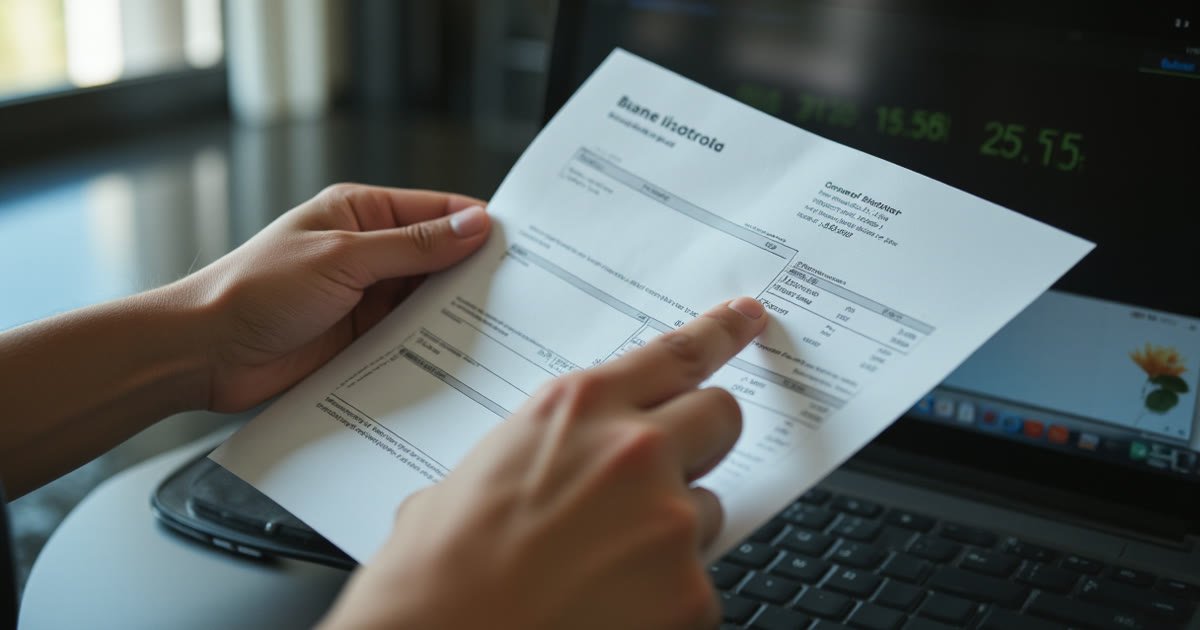

A cashier's check is drawn on the bank's own funds rather than your personal account. The bank verifies you have the money, withdraws it from your account immediately, and issues a check it guarantees — which is why sellers in large transactions trust it far more than a personal check.
Where cashier's checks are typically required
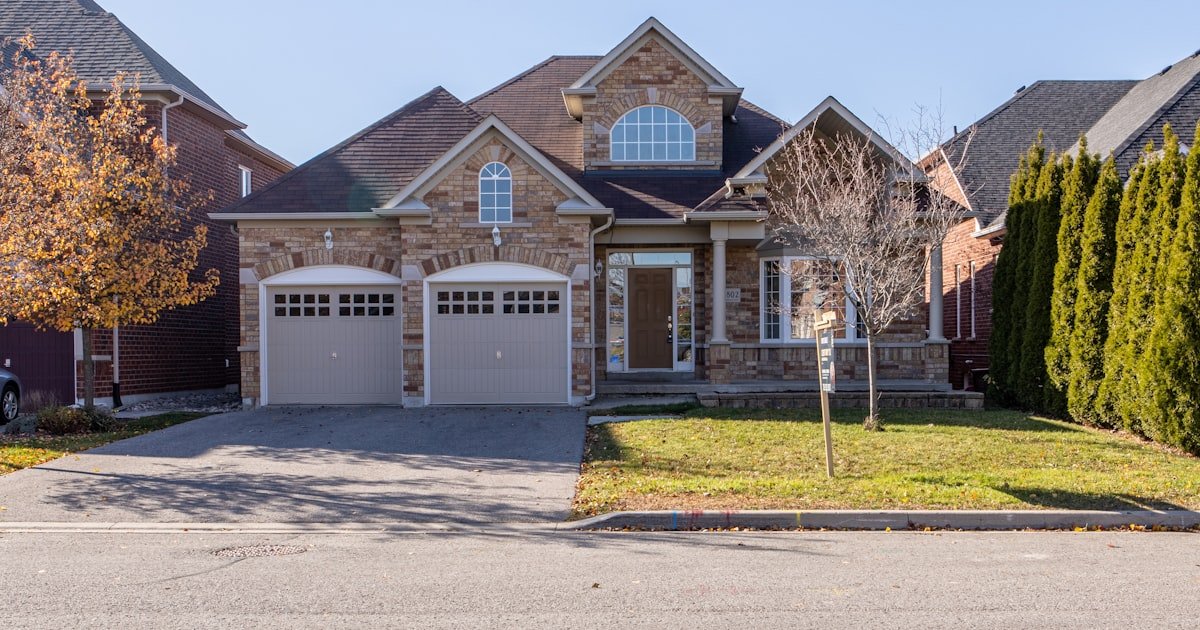
- Home down payments and closing costs.
- Buying a car from a private seller.
- Large security deposits on a rental.
- Any transaction where the other party wants payment guaranteed before releasing goods or property.
It's not the same as a certified check
A certified check is your own personal check that the bank confirms and marks with sufficient funds, still drawn on your account. A cashier's check is drawn on the bank's account, offering a stronger guarantee — which is why it's often preferred for larger amounts.
How to get one and what it costs
Most banks and credit unions issue cashier's checks in person for a small fee, typically $5-15, though some waive it for premium account holders. You'll need the funds available in your account and a valid ID; the bank withdraws the amount immediately upon issuing the check.