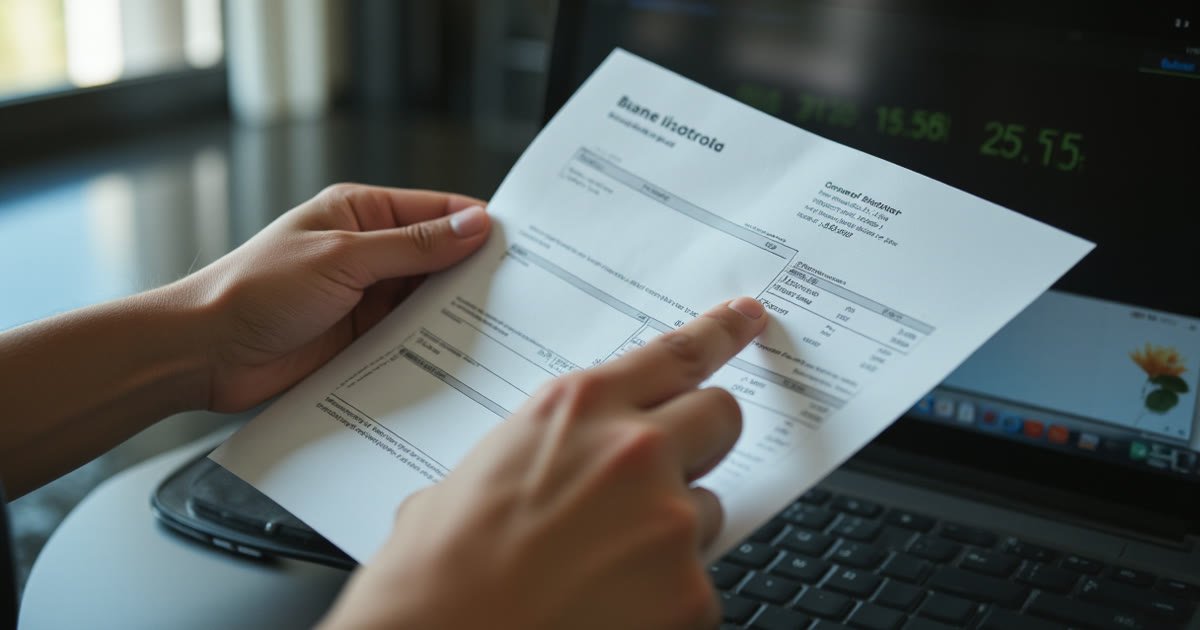

A stop payment is a request to your bank to refuse a specific check or electronic payment before it's processed. It's most commonly used when a check is lost, stolen, written for the wrong amount, or when you want to cancel a recurring automatic payment you previously authorized.
Timing is everything
A stop payment only works if the check or payment hasn't already been processed. Once a check has been cashed or deposited and cleared, or a recurring payment has already gone through, a stop payment can no longer prevent it — you'd need to dispute the transaction instead.
Most banks charge a fee for this
Stop payment requests typically cost $15-35 per check or payment, and the order usually only lasts 6 months to a year for a single check unless renewed — so it's not something to use casually.
How to place a stop payment order
- Gather the check number, exact amount, date, and payee (or the merchant name for a recurring payment).
- Contact your bank by phone, app, or in person — most support all three methods.
- Confirm the stop payment fee and how long the order remains active.
- Get written or emailed confirmation the order was placed successfully.